Orthopedic Surgeon Outreach: A Practical Guide for Medical Device and Implant Companies
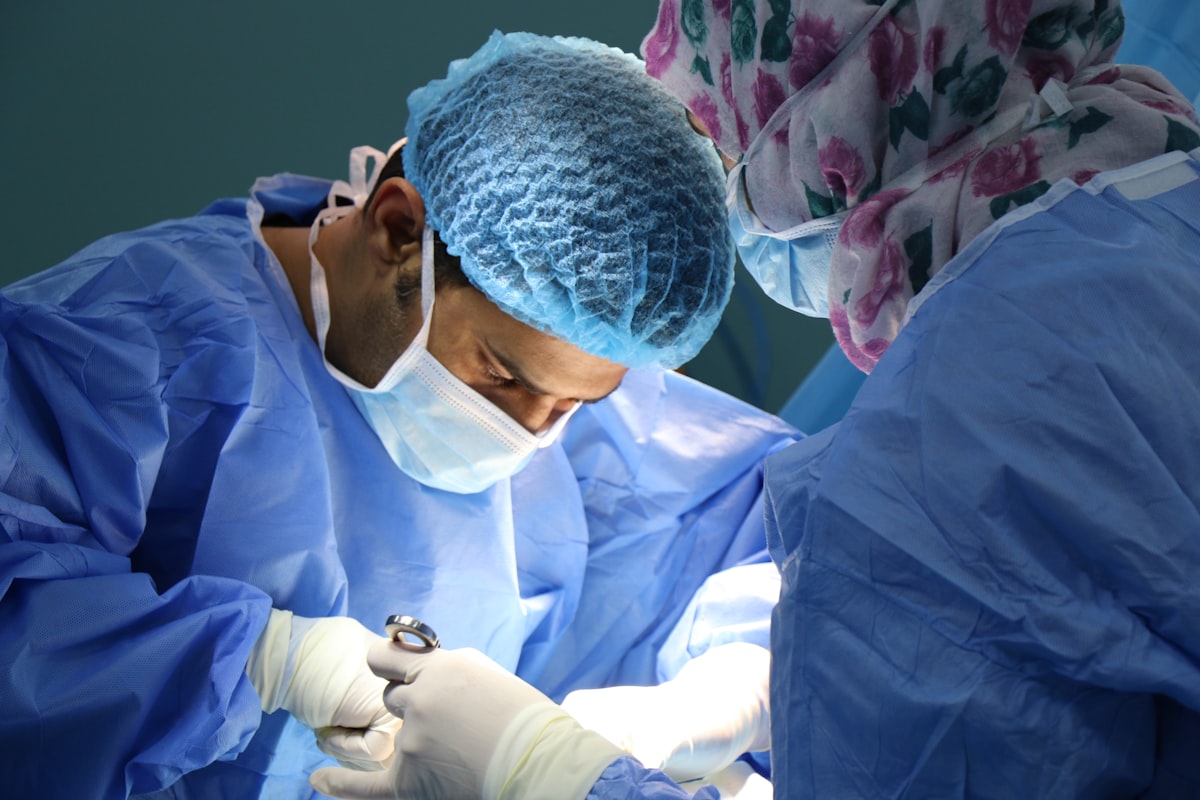
With 59,570 licensed orthopedic surgeons in the United States as of March 2026, this is a specialty where precision targeting makes a measurable commercial difference. Orthopedic surgeons make purchasing decisions on joint replacement implants, spine devices, sports medicine equipment, and surgical instruments, high-ticket categories where a single converted surgeon can represent millions of dollars in recurring revenue for a device company. The database that underlies your outreach strategy is one of the most important tools in your commercial operation.
The commercial value of orthopedic surgeon relationships
Orthopedic surgery is one of the highest-volume and highest-revenue surgical specialties in the US healthcare system. Hip and knee replacements, spinal fusion procedures, rotator cuff repairs, and ACL reconstructions are among the most commonly performed surgeries. Each procedure requires instruments, implants, and disposables, purchasing categories that orthopedic surgeons influence directly, often with significant discretion over preferred vendors.
In hospital and ambulatory surgery center settings, orthopedic surgeons may work with a GPO-contracted implant formulary, but surgeon preference carries enormous weight in which products actually get used. A surgeon who strongly prefers a particular implant system will advocate for it internally, and switch facilities if necessary to maintain that preference. This dynamic gives individual surgeon relationships outsized commercial value in orthopedics compared to many other specialties.
For device companies and distributors, the implication is clear: knowing who the orthopedic surgeons are in your territory, what subspecialty they practice, and how to reach them is a foundational requirement of your commercial strategy.
Segmenting orthopedic surgeons by subspecialty
The 59,570 orthopedic surgeons in the NPPES database are not a single audience. Taxonomy codes differentiate spine surgeons, sports medicine orthopedists, hand and upper extremity surgeons, pediatric orthopedic surgeons, orthopedic trauma surgeons, and general orthopedic surgeons. For product-specific outreach, this segmentation is essential.
A company selling a lumbar fusion system should filter for spine surgery taxonomy codes, reaching the surgeons who actually perform lumbar fusions rather than the hand surgeons and sports medicine specialists who never will. A sports medicine product company should filter for the sports medicine orthopedist codes and potentially add in primary care sports medicine physicians who also treat musculoskeletal injuries. This taxonomy-based segmentation is what separates a targeted outreach campaign from a broad spray-and-pray list.
Building a territory orthopedic list for field reps
For medical device companies with field sales forces, the most practical use of an orthopedic surgeon database is territory planning. A rep covering Georgia and Tennessee needs a list of every orthopedic surgeon in those two states, segmented by subspecialty and ranked by practice type, hospital-based versus ambulatory surgery center versus office-based practice, to prioritize their call schedule intelligently.
The NPPES business address field gives you the practice location for every surgeon. Combined with the practice name, you can identify which surgeons are at major academic medical centers (usually named after the institution), which are at private orthopedic groups, and which are at hospital systems. Academic surgeons may have more influence on training and protocol adoption; private practice surgeons often have more purchasing discretion. Your product's commercial model determines which segment to prioritize.
Fax outreach in orthopedic marketing
Approximately 63 percent of orthopedic surgeon records in the March 2026 NPPES release include fax numbers. For surgical supply companies and device distributors whose field reps regularly use fax to schedule demonstrations, confirm meeting logistics, or send product information, this coverage rate supports a meaningful fax component in the outreach mix.
Orthopedic surgery practices and hospital departments check their faxes regularly for prior authorizations, surgical scheduling confirmations, and referral communications. A fax from a device rep announcing a new product, a surgical technique course, or a peer-reviewed clinical study gets into the communication flow of the office in a way that cold email does not. The key is keeping fax communications short, relevant, and specific to the surgeon's practice type.
Direct mail to orthopedic surgeons for brand building
For device companies launching a new product into the orthopedic market, a national direct mail campaign to the full 59,570-record orthopedic surgeon database is an efficient way to build category awareness. For the full surgical specialty picture, see the surgeons database and the complete database covering all 23 specialties. The physical therapists database is a natural complement for rehabilitation-focused outreach. before your field reps make their first calls. Surgeons who have already seen your company's name and product positioning in a physical mailer are meaningfully more receptive to a follow-up call or visit from a rep than those receiving a completely cold contact.
A two or three-piece mail sequence to orthopedic surgeons should lead with clinical evidence, a study result, a case report, an outcome metric, rather than product features. Surgeons respond to data. A mailer that leads with 'in a 24-month follow-up study, patients reported X percent improvement' generates more engagement than one that opens with product specifications.
Related reading
For adjacent musculoskeletal audiences, see Chiropractor Mailing List: Supplement and Equipment Marketing and Marketing to Physical Therapists. For perioperative device outreach, see Anesthesiologist Database: Hospital Supply and Pharma Outreach.
Need the data?
We have 6M+ US medical provider records across 23 specialties. Pick what you need and download it today.
See the Complete Database